Nestled along the picturesque Illinois River, Lacon City stands as a testament to the rich historical tapestry of central Illinois. With roots dating back to 1831, this charming riverside community has preserved its historical significance while evolving into a welcoming destination for history enthusiasts and casual visitors alike. From its early days as Strawn’s Landing to its current status as the county seat of Marshall County, Lacon’s story is one of resilience, community, and small-town American charm.
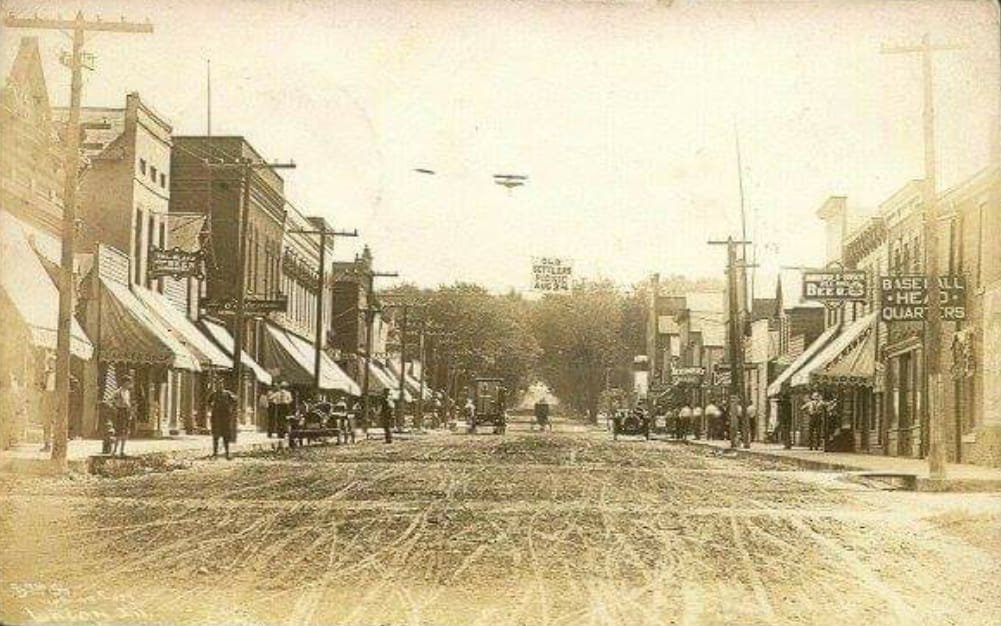
The Birth of a River Town
Lacon’s story begins in 1831 when it was first laid out as a community called Strawn’s Landing. Shortly thereafter, it was briefly known as Columbia before finally adopting the name Lacon in 1837. The name was inspired by Laconia, a region in Greece, reflecting the founders’ aspirations for a thriving and enduring community. This early settlement quickly established itself as a strategic location along the Illinois River.
In 1835, the Fenn brothers—successful businessmen from Dayton, Ohio—traveled west seeking new opportunities. They were so captivated by the area that they purchased half of the townsite and returned to Ohio to organize the “Lacon Colony” for their journey back to Illinois. By 1836, the enterprising Fenn brothers had established a general mercantile store, a mill, and various other business enterprises, becoming instrumental in Lacon’s early development and real estate growth.
A Flourishing River Community
By the mid-19th century, Lacon had transformed into a bustling hub of commerce and industry. The town boasted two steam flour mills, a large pork packing operation, and a sawmill. Local businesses included numerous dry goods and variety stores, clothing establishments, grocery stores, drug stores, and furniture shops. The manufacturing sector thrived with carriage and wagon shops, farm implement manufacturing, and blacksmith operations.
The town’s first newspaper, established by Allen Ford in December 1837, helped connect the growing community. This period also saw the formation of important community institutions, including a Temperance Society (July 28, 1836) and a Presbyterian Church (1837).
Historic Landmarks and Architecture
The Marshall County Courthouse, built in 1840, stands as one of Lacon’s most significant historical landmarks. This stately building overlooks downtown Lacon and continues to serve as a reminder of the town’s importance as the county seat. The courthouse square, with its park-like setting adorned with shade trees and gardens, remains a central gathering place for community events.
Another notable historical feature is the Illinois River Bridge, completed in 1939. This continuous truss bridge not only connects Lacon to the western shore of the Illinois River but has also become an iconic symbol of the town. Prior to the bridge’s construction, a 19th-century ferry service carried visitors across the river to Lacon.
The Marshall County Historical Society Museum offers visitors a comprehensive look at the area’s past through intriguing exhibits and hands-on experiences. The museum preserves artifacts and stories that illuminate the lives of early settlers and the development of the region.
Presidential Connections and Notable Events
On June 27, 1842, President Martin Van Buren paid a brief visit to Lacon, marking a significant moment in the town’s history. This presidential visit highlighted Lacon’s growing importance in the region during the mid-19th century.
The town has witnessed both celebratory and challenging moments throughout its history. One darker chapter occurred in 1898 when Lacon was the site of the lynching of F.W. Stewart, a reminder of the complex and sometimes troubled social history of American small towns.
The Old Settlers’ Picnic: A Living Tradition
Perhaps no event better exemplifies Lacon’s connection to its historical roots than the Annual Old Settlers’ Picnic. Established in 1870 on the Courthouse lawn to honor the pioneers of the region, this tradition has continued uninterrupted for over 150 years, making it the oldest ongoing event of its kind in the State of Illinois.
Each summer in late August, the picnic brings together residents and visitors for a celebration that has grown to include live music performances, parades, food vendors, and various activities. This cherished tradition serves as a living link to Lacon’s past while fostering community bonds in the present.
Preserving Heritage Through Museums and Societies
The Marshall County Historical Society plays a vital role in preserving and sharing Lacon’s rich heritage. Located at 314 Fifth Street, this organization maintains archives, artifacts, and exhibits that tell the story of Lacon and the surrounding area. Their dedication ensures that future generations will have access to the historical narrative of this unique river town.
For those interested in genealogical research, Lacon offers valuable resources. The Marshall County Courthouse houses original records dating back to the early 19th century, including birth records (from 1878), marriage records (from 1839), and death records (from 1877). These documents provide fascinating insights into the lives of early settlers and their descendants.
Demographic Evolution
Like many small American towns, Lacon has experienced fluctuations in population throughout its history. Census records show significant growth in the mid-19th century, with the population increasing from 1,849 in 1840 to 13,437 by 1860—a remarkable 627% increase in just two decades. The population peaked at 16,956 in 1870 before gradually declining over subsequent decades.
The 2020 census recorded 1,878 residents, reflecting the intimate scale of this riverside community today. Despite its modest size, Lacon maintains its significance as the county seat and a center of historical interest in the region.
Lacon Today: Where History Meets Modern Life
Today’s visitors to Lacon can experience a unique blend of historical preservation and small-town charm. The downtown area, with its historic buildings and riverside setting, offers a glimpse into the past while supporting contemporary businesses and community life.
Local attractions include Johnson’s Grove Park, Weber Park on the riverfront, the Marshall County Airport, and the Community Center. Outdoor enthusiasts can enjoy boating, fishing, swimming, and hiking in and around Lacon. The town also offers shopping, dining, and cultural experiences at the Public Library and various local establishments.
Planning Your Historical Journey to Lacon
For history enthusiasts planning a visit to Lacon, several key sites should be on your itinerary:
- The Marshall County Courthouse and surrounding square
- The Marshall County Historical Society Museum for exhibits on local history
- The iconic Illinois River Bridge for both its historical significance and scenic views
- Downtown Lacon with its historic architecture and small businesses
- Johnson’s Grove Park and Weber Park for natural beauty combined with historical context
- If timing permits, the Annual Old Settlers’ Picnic in late August
As you walk the streets of Lacon today, you’re treading the same paths as early settlers, 19th-century merchants, and generations of residents who have called this riverside town home. From its humble beginnings as Strawn’s Landing to its present-day status as a charming historical destination, Lacon City invites visitors to step back in time while enjoying the warmth and hospitality that have been hallmarks of this community for nearly two centuries.